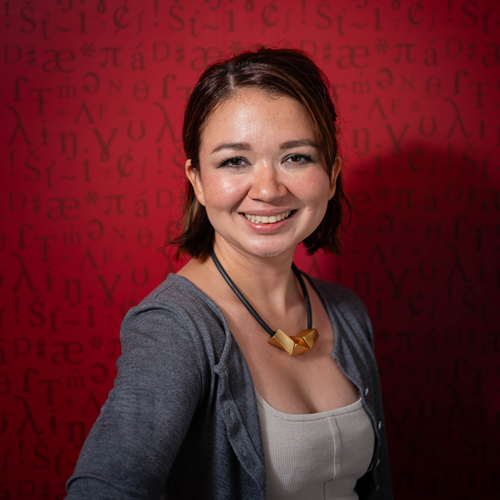
Aloha maikaʻi kākou, my name is Michelle Kamigaki-Baron. I currently work as a Linguist, Data Annotator at Google via TEK systems where I verify large language model output through research and conduct targeted investigations to evaluate the accuracy and quality of model responses.
My on-going research primarily investigates ambient learning of ‘ōlelo Hawaiʻi and the distinctive advantage Pidgin speakers show in developing an ‘ōlelo Hawaiʻi proto-lexicon. I also hold the position as the Primary investigator for the Secwepemctsín Structure and Sound group for the Jacobs Research Funds, where I research the stress system in Secwepemctsín.
In July 2026, I completed my PhD in Linguistics at the University of British Columbia where I was affiliated with University of British Columbia Speech Sciences and the Speech-in-Context Lab. My dissertation is entitled Exploring the Connections Between Pidgin and ʻōlelo Hawaiʻi, and can be found here.
For any inquiries please feel free to contact me here.
Feel free to share your manaʻo or just talk story!
Teaching
Most recently, I was a sessional instructor at Simon Fraser University, teaching Linguistics 330 Phonetics and Linguistics 190 Science of Speech. I have experience teaching learners from preschool through adulthood and in course development. My teaching centers language as a lived, relational practice rather than an abstract system, encouraging students to critically examine how power and colonial histories shape linguistic knowledge and research practices. I design my courses with kuleana, my responsibility as a community member, ensuring students leave with the tools and understanding needed to succeed beyond the classroom.
Learn MoreCommunity-based Language Revitalization
My community work is grounded in pilina and reciprocity. Whether working with communities I am from or communities I am not, in Hawaiʻi and abroad, I collaborate with communities directly throughout all stages of the research, ensuring that research questions, methods, and outcomes are shaped by community needs and return tangible benefits, particularly in support of language revitalization.
Learn More